Swanage Pier
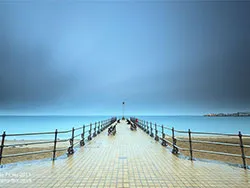
The restored 1896 Victorian pleasure pier, for strolling, fishing, boat trips and shore diving.
Visit the pier

A classic Victorian resort wrapped around a golden, sheltered bay, with a restored pier, a heritage steam railway, dramatic cliffs and a surprising history as "Old London by the Sea."
At the eastern end of the Jurassic Coast, on the Isle of Purbeck, Swanage is a Victorian seaside town full of character, the lively, welcoming hub of the whole Purbeck peninsula.
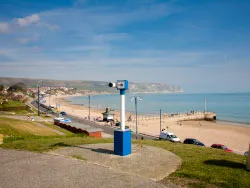
Wrapped around a sheltered, south-east-facing bay between two headlands, Swanage grew from a small fishing and stone-shipping village into one of the south coast's most-loved resorts. It offers an irresistible blend of the things that make an English seaside holiday: a clean, gently shelving sandy beach, a traditional pier, ice creams and fish-and-chips, set against a backdrop of dramatic cliffs, rolling downland and big sea views. The whole town sits within the Dorset National Landscape, and its coast forms the start of the 95-mile Jurassic Coast World Heritage Site.
Yet Swanage is far more than a beach. Beneath the seaside charm runs a remarkable history, a Saxon battle, centuries of quarrying, and a Victorian transformation led by two local men who quite literally rebuilt the town with pieces of old London. It also makes the perfect base for exploring Purbeck, with Corfe Castle, Studland, Old Harry Rocks and Durlston all on the doorstep.
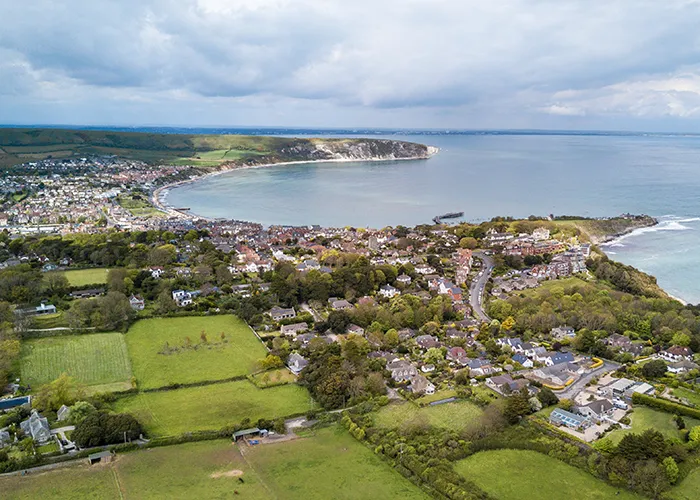
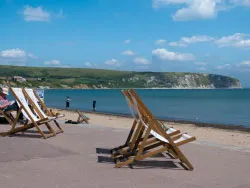
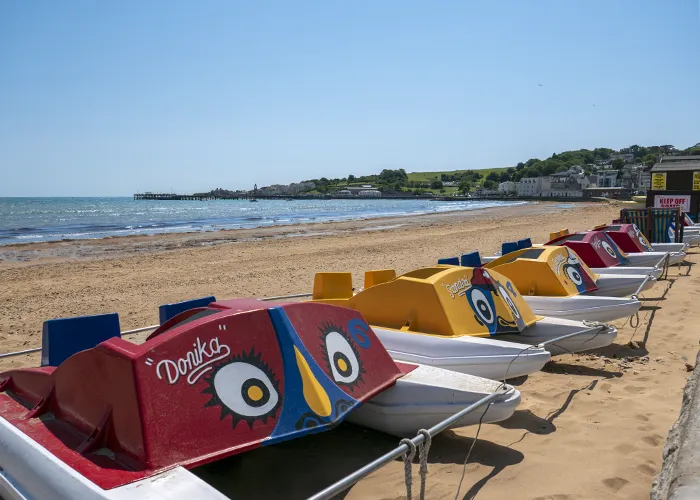
Swanage's main beach is the heart of the town's appeal: a long, gently shelving stretch of soft sand, sheltered within the curve of the bay and lapped by clean, shallow water that's well suited to families and swimmers. It has regularly earned awards for cleanliness and water quality, and a row of colourful beach huts, traditional deckchairs and seafront cafés complete the picture-postcard scene.
The calm, sheltered bay is a natural playground for the water. You can hire kayaks and paddleboards, sail, or simply paddle and swim, while the clear water around the pier is a favourite with snorkellers and is one of the best-known shore-diving sites in the south of England. Just south of the town, Durlston Bay is quieter and good for coastal walks, while a couple of miles north the vast sweep of Studland's sandy beaches and dunes stretches away towards Poole Harbour.
Whether you want a bucket-and-spade family day, a bracing winter walk along the seafront, or a peaceful sunrise over the sea, the bay is the town's enduring draw.
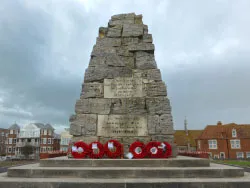
People have lived around Swanage since prehistory, but the town first enters written history in the Anglo-Saxon Chronicle of 877, which records a great disaster for a Danish fleet off the coast here, around 120 ships lost to storm or fog in Swanage Bay during King Alfred's wars against the Vikings. A column on the seafront, topped with cannonballs, commemorates the battle. Over the centuries the town was known by names such as Swanawic and Swanwich before settling on Swanage.
For most of its history, though, Swanage meant one thing: stone. Purbeck limestone and the prized Purbeck "Marble" have been quarried here since Roman times, and from the 12th century the trade boomed, supplying stone for cathedrals and churches across the land. Demand surged again after the Great Fire of London in 1666. For generations, blocks were stacked on the seafront "bankers," loaded onto carts hauled into the shallows, and rowed out to waiting ships, a working stone-port, not yet a resort.
This humble industry would, in the 19th century, give rise to one of the most unusual transformations of any English town.
Swanage owes its distinctive character to two local stonemasons made good: John Mowlem (1788–1868) and his nephew George Burt (1816–1894). Mowlem left Swanage for London, built a hugely successful contracting firm, Mowlem & Co, and shipped Purbeck stone to the capital. Burt took over the business and, as both men prospered, they poured their fortunes and civic pride back into their home town.
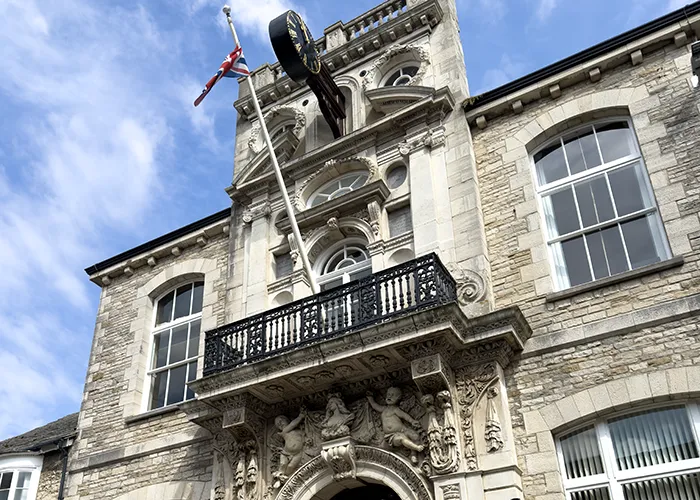
Their most curious legacy fills the streets. The stone ships that carried Purbeck blocks to London needed ballast for the return journey, and Burt, an avid recycler, loaded them with architectural relics salvaged from his firm's demolition and building works in the capital. As a result, fragments of Victorian London turn up all over Swanage, earning it the affectionate nickname "Old London by the Sea." The grand Town Hall façade was once the front of Wren's Mercers' Hall in the City; the Wellington Clock Tower once stood at the south end of London Bridge; and statues, lamp posts, bollards and columns of London origin are dotted through the town.
Mowlem and Burt also gave Swanage lasting institutions, among them the Mowlem reading room for working people and, on the hill above the town, the Town Hall and the eccentric, much-loved monuments that make a stroll around Swanage a treasure hunt through history.
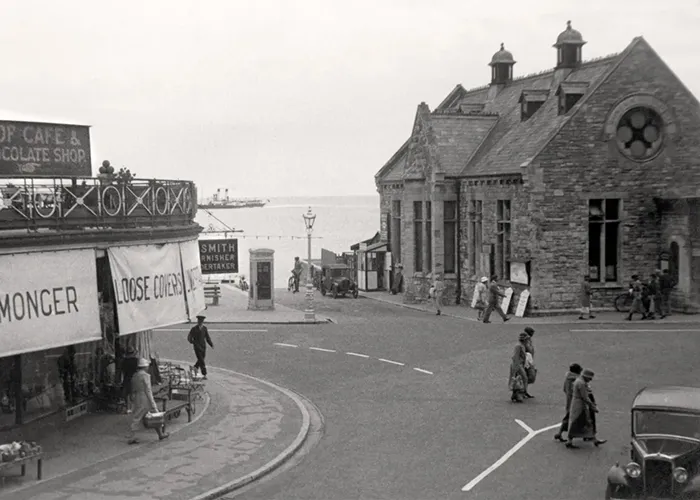
Two great Victorian arrivals turned Swanage from stone-port to seaside resort. The railway reached the town in 1885, when a branch line from Wareham via Corfe Castle finally opened after decades of campaigning, encouraged by George Burt, bringing day-trippers and holidaymakers within easy reach of the sea. The stone "bankers" on the seafront were swept away, new shops and villas rose, and the modern resort was born.
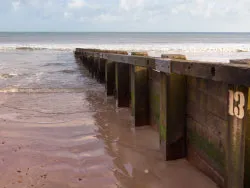
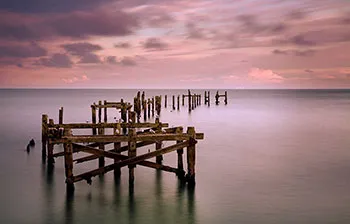
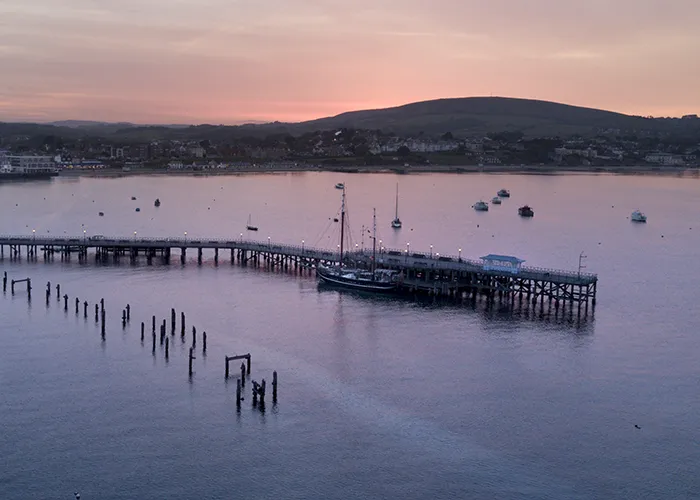
Swanage actually has had two piers. The first, a stone-shipping pier with a horse-drawn tramway, opened around 1859; its weathered timber stumps can still be seen in the bay. The elegant pleasure pier that visitors enjoy today opened in 1896, built for the paddle steamers that once disgorged thousands of trippers. Lovingly restored by a dedicated trust, it is now a beautiful spot for a stroll, a spot of fishing, or a boat trip, and a popular launch point for divers.
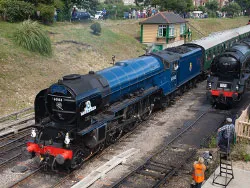
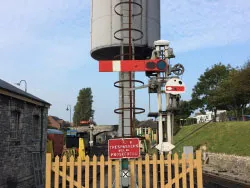
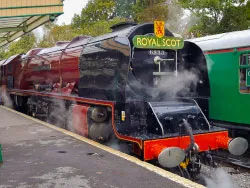
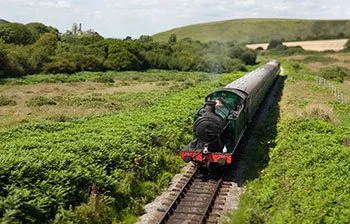
The branch line closed in 1972 but was painstakingly rebuilt by volunteers, and today the heritage Swanage Railway runs steam and heritage diesel trains through the glorious Purbeck countryside to Corfe Castle and Norden, a nostalgic journey that's an attraction in its own right.
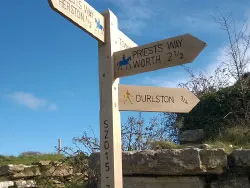
Swanage is an outdoor lover's base. The South West Coast Path runs right through, with spectacular routes south over Durlston to the stone coast, and north over Ballard Down to Old Harry Rocks and Studland. Cyclists enjoy the quiet lanes and trails, climbers head for the Purbeck sea cliffs, and the bay offers sailing, kayaking, paddleboarding and some of the region's best diving.
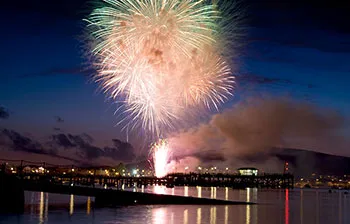
For all its relaxed pace, the town has a lively cultural calendar. The much-loved Swanage Carnival fills late summer with parades and fireworks; the Swanage Jazz Festival, Blues Festival, folk and music events, and the Purbeck Film Festival punctuate the year. Independent shops, galleries, cafés and pubs line the old town and seafront, serving everything from local crafts and seaside souvenirs to fresh Purbeck seafood and a proper Dorset cream tea.
To dig deeper into the town's story, the Swanage Museum and Heritage Centre near the seafront is free to visit and tells the tale of the town, its quarrying and its remarkable Victorian benefactors.
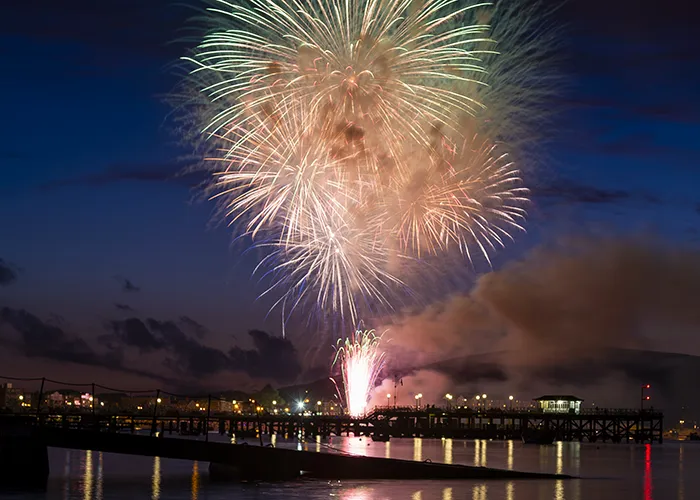
By car it's about a 25-minute drive from Wareham; regular buses run from Wareham and Poole; and you can even arrive in style by steam train on the Swanage Railway from Corfe Castle and Norden. The Sandbanks chain ferry links Swanage to Bournemouth and Poole.
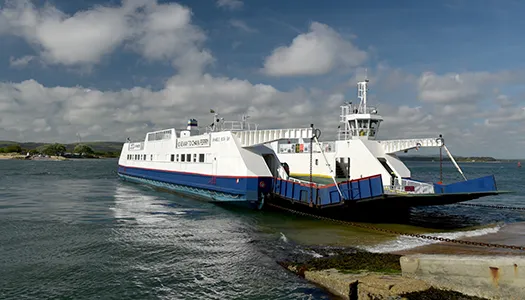
From the town's own landmarks to the best of the surrounding Purbeck coast and countryside.
The restored 1896 Victorian pleasure pier, for strolling, fishing, boat trips and shore diving.
Visit the pier
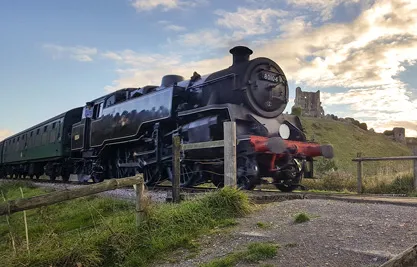
A heritage steam line through the Purbeck countryside to Corfe Castle and Norden.
All aboard
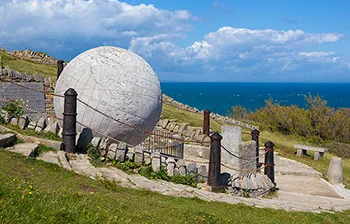
A clifftop nature reserve with the Great Globe, Durlston Castle and superb wildlife, just south of town
Explore Durlston
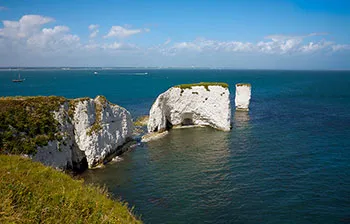
The famous white chalk sea stacks at the start of the Jurassic Coast, a walk north over Ballard Down.
Visit Old Harry
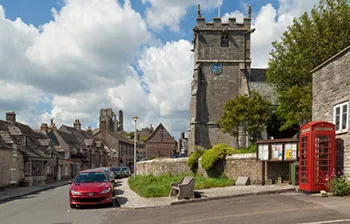
The dramatic ruined castle and stone village in the gap of the Purbeck Hills, by steam train or road.
Discover Corfe
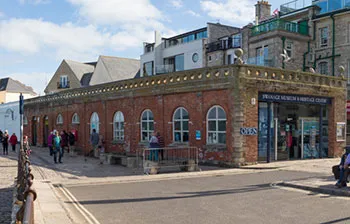
The free town museum and heritage centre, telling the story of Swanage, its stone and its benefactors.
Local heritage
Sources used for the history, heritage and visitor information added to this page: