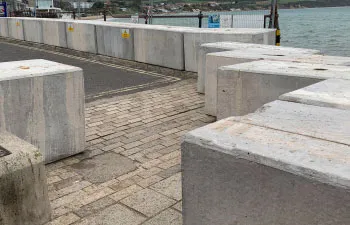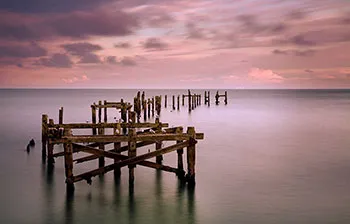
Swanage Pier
The Victorian pleasure pier a short walk north along the bay, with a café, small museum and superb views towards Peveril Point.
Visit the pier

On a rocky headland at the southern tip of Swanage Bay, volunteer crews have launched to save lives at sea every year since 1875, one of the busiest and most decorated lifeboat stations in the country.
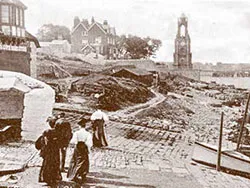
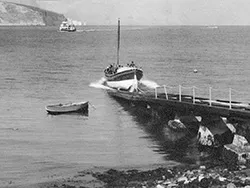
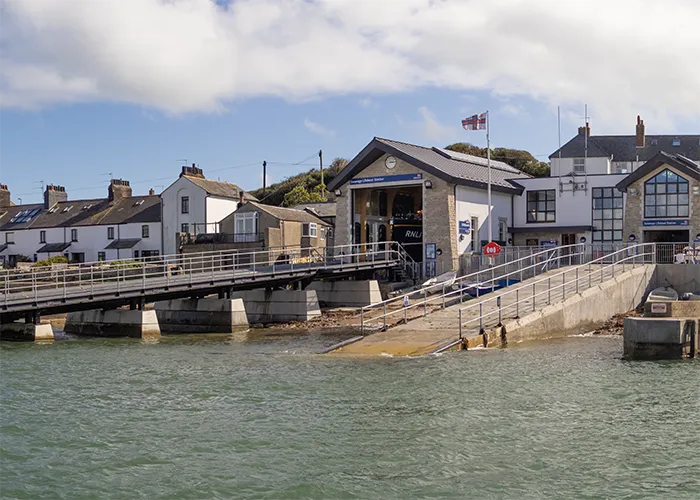
Swanage RNLI Lifeboat Station has stood at Peveril Point since 16 September 1875, a date that marked the community's direct response to a dramatic shipwreck on the very ledges it now guards.
The station sits on the southern side of Swanage Bay, where the rocky promontory of Peveril Point juts into the English Channel. It is one of the busiest lifeboat stations in the United Kingdom, regularly launching to assist vessels in difficulty along a stretch of coast that combines treacherous tidal currents, exposed headlands and an ever-growing number of leisure users, swimmers, paddleboarders, kayakers, sailors and divers, venturing offshore from Swanage's popular beach.
Today the station operates two lifeboats: a Shannon class all-weather lifeboat capable of operating in the most extreme conditions, and a D class inflatable inshore lifeboat for rapid response close to shore. Every crew member is a volunteer, giving their time, and sometimes risking their lives, whenever the pagers sound. The station is open to visitors in summer, and a short walk from the southern end of the town centre makes it an easy and rewarding stop on any visit to Swanage.
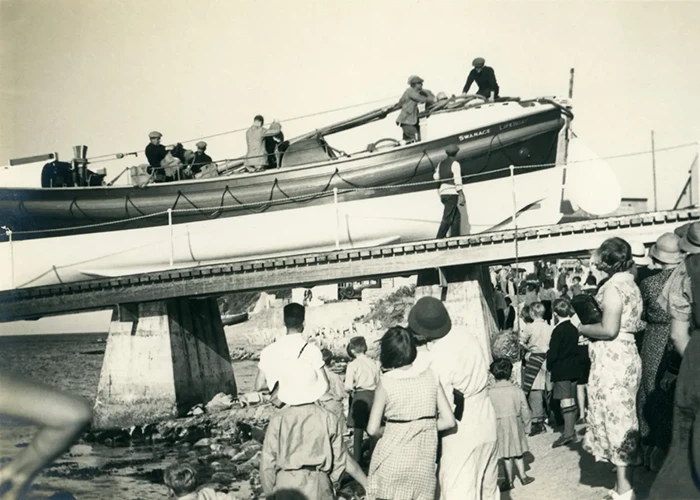
In the early hours of 23 January 1875, a serious gale was blowing down the English Channel. The brigantine Wild Wave, out of Exeter and carrying a cargo of coal bound for Poole, was struggling to round Peveril Point when she was driven onto the notorious Peveril Ledges. The Coastguard lookout saw the ship in distress and telegraphed the nearest lifeboat station, at Poole, many miles away. As conditions worsened, the chief Coastguard officer, John Lose, launched his own two station boats. All five of the Wild Wave's crew, including the ship's cabin boy, reportedly so small he looked like little more than a dark bundle in the rigging, were rescued. Lose was awarded the RNLI Silver Medal for his actions.
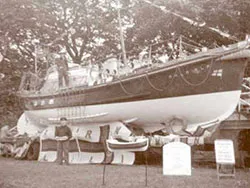
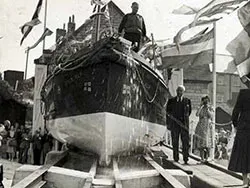
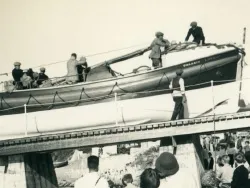
The rescue was witnessed from the shore by John Charles Robinson, a distinguished Swanage resident who lived at Newton Manor and was a prominent figure in the Victorian art world. Moved by what he saw, Robinson wrote a vivid account of the rescue to The Times, galvanising public support for a permanent lifeboat at Swanage. Throughout 1875, with backing from Robinson, local businessman George Burt and Lord Eldon, the campaign grew, and on 16 September 1875 the station officially opened. The first lifeboat stationed at Swanage was the Charlotte Mary, named after the late sisters of one of the station's first benefactors, Miss Margaret Ryder-Wilde, at a cost of £389. The boathouse and slipway cost a further £525.
The station has stood on that same original site ever since, rebuilt, modernised and extended, but in an unbroken line of service stretching back to that winter storm of 1875.
In the century and a half since the station opened, Swanage crews have built one of the most decorated records of any lifeboat station in the country. Ten RNLI Gallantry Medals have been awarded in total, five Silver and five Bronze, a testament to the repeated acts of extraordinary courage by volunteer crews operating in some of the most demanding conditions the English Channel can produce.
Among the most celebrated individual awards is the Silver Medal presented to Coxswain Christopher Haw in 1996, for a rescue in winds gusting to hurricane force. When five crew from the yacht Be Happy were in peril, Haw led the mission that brought all five to safety against odds that would have defeated a lesser crew. For this same service, Haw was also awarded the Maud Smith Award, the RNLI's highest recognition for the most outstanding act of lifesaving across all its stations in a given year. The station's history also records sacrifice: Coxswain William Brown made the ultimate sacrifice on service on 12 January 1895, his name among those the station remembers in its commemorations.
The tradition of recognition continues: in earlier years, Silver Medals were awarded for rescues stretching back to the nineteenth century, including actions by officers of the Revenue Cutter Tartar in 1839, a reminder of how long this coastline has demanded courage from those who guard it.
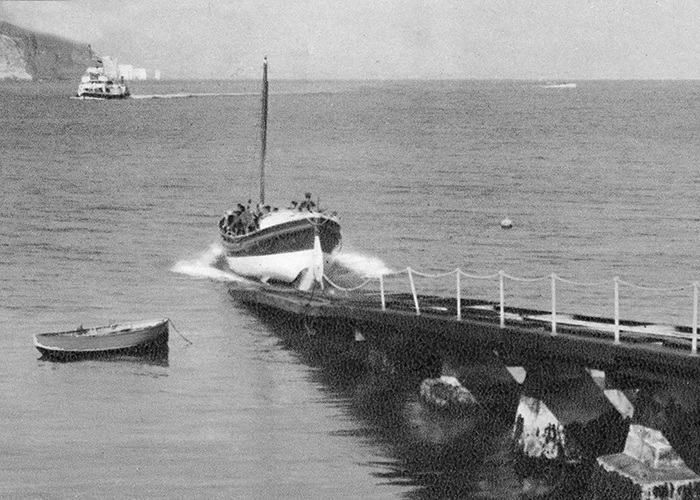
The station currently operates two lifeboats, each suited to a different type of rescue. The all-weather lifeboat is George Thomas Lacy (ON 1320), a Shannon class vessel that has been on station since 2016 and is launched down the rebuilt slipway at Peveril Point. The Shannon class is the RNLI's most technologically advanced all-weather lifeboat: it uses water-jet propulsion rather than conventional screws, giving it exceptional manoeuvrability in shallow and confined waters, a top speed of around 25 knots, and the ability to operate in sea states that would stop older designs. It is self-righting and can work day and night in the worst conditions the Channel can produce. The current boathouse was purpose-built in 2015-16 to accommodate it.
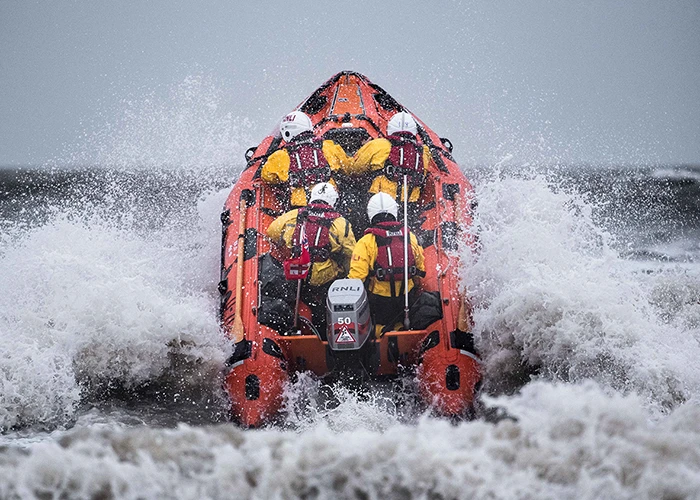
Working alongside the Shannon is Roy Norgrove (D-884), a D class inflatable inshore lifeboat on station since 2023. The D class is the most numerous craft in the RNLI's inshore fleet, and for good reason: it is fast, light and draws very little water, allowing it to operate right at the shoreline and in waters inaccessible to the all-weather boat. With its single outboard engine and simple launch-from-a-trolley design, it can be at sea within minutes of a callout, critical when someone is in difficulty close to the beach or in Durlston Bay. It is the ideal first response for the increasing number of incidents involving swimmers, paddleboarders and kayakers in Swanage's busy coastal waters.
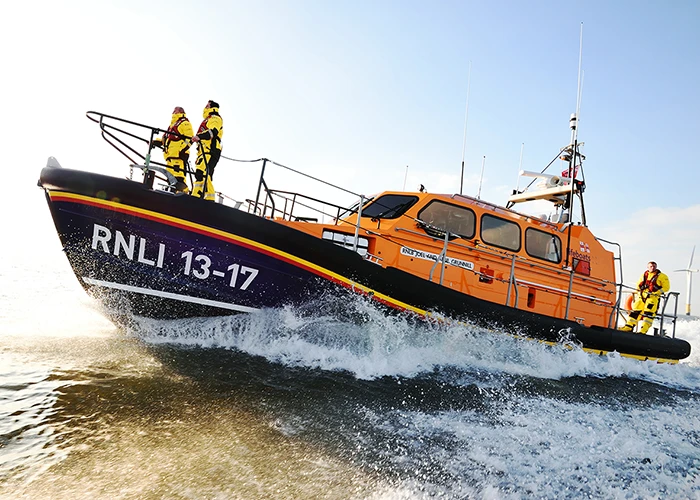
Every person who crews a lifeboat at Swanage is a volunteer, local men and women who hold down ordinary jobs and ordinary lives, and who respond whenever the pager sounds, regardless of the time of day or the state of the weather. The RNLI as a whole is funded entirely by voluntary donations, and Swanage is no exception: the station depends on the generosity of supporters, visitors and the local community to fund its operations, its equipment and its training.
The Swanage RNLI branch is a lively presence in the town, running regular fundraising events throughout the year. The annual Lifeboat Week, held every summer, is a week of activities, live music, food and family entertainment culminating in the ever-popular build-a-boat competition and raft race in the bay, a cheerful and much-loved fixture in the Swanage calendar. There is also an RNLI shop in the town centre at 7 The Square, stocking clothing, gifts and souvenirs, with all proceeds going to the charity.
Donations to the RNLI can be made directly at the station during visiting hours, online at rnli.org, or through the shop. The station also runs a Launch a Memory scheme, allowing supporters to dedicate a launch in honour of a loved one, details and bookings via the RNLI website.
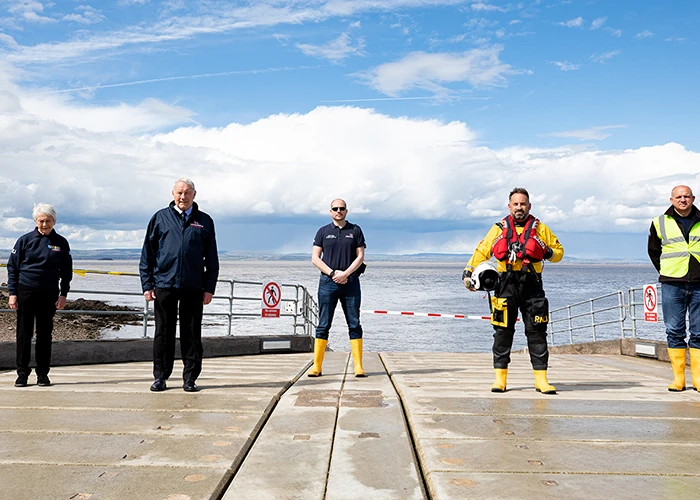
Yes, the station is open to visitors in summer, generally April to September, and the volunteer crew are happy to show you the lifeboats and explain their work. Check opening times before you go, as hours depend on volunteer availability and operational needs. It is free to enter, and donations are always welcome.
What to see and do nearby, from the pier and the Downs to Durlston and the coastal path heading south.
The Victorian pleasure pier a short walk north along the bay, with a café, small museum and superb views towards Peveril Point.
Visit the pier
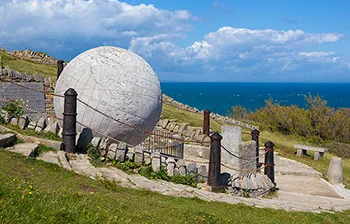
Dramatic cliffs, a Victorian castle and an excellent visitor centre a short walk south from Peveril Point along the coast path.
Explore Durlston
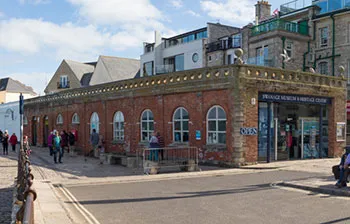
The town's museum, with exhibits on Swanage's maritime, quarrying and Victorian history, including the lifeboats.
Visit the museum
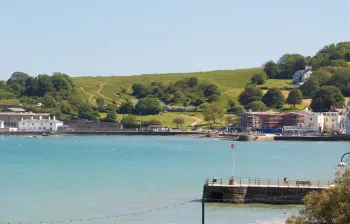
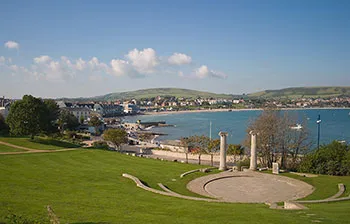
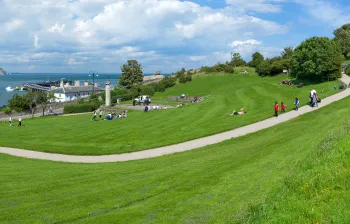
A pleasant open green space above the bay, connecting Peveril Point to the town centre with fine views across the water.
The Downs
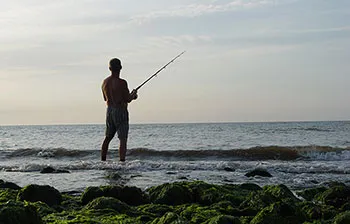
The rocks and ledges around Peveril Point are some of the best shore-fishing marks in Dorset, popular with local anglers year-round.
Fishing spots
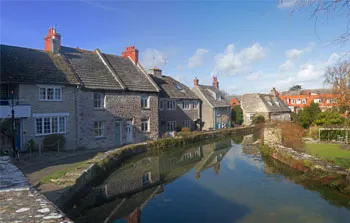
The Victorian seaside town, its beach, shops, restaurants and steam railway, all within easy reach of the lifeboat station.
About Swanage
Sources used for the history, boats and visitor information on this page: